

IVIVA
Menopause Care
Personalized for You
Clear diagnosis. Structured treatment. No guesswork.
Menopause is not just hot flushes. It often affects your periods, sleep, mood, weight, sexual health, and long-term wellbeing. We assess it properly — and manage it properly.
Most women are told to just
put up with it.
That is not good enough.
Menopause and perimenopause are hormonal transitions with real clinical effects. For some women, symptoms are mild. For others, they affect work, relationships, confidence, sleep, and general health.
At our "Menopause Clinic", we take a structured medical approach. We do not over-medicalise, but we also do not dismiss symptoms that deserve proper treatment.

Specialist & compassionate care
Care led by highly experienced BMS-registered menopause specialists. We take the time to really listen
Personalised treatment, HRT and beyond
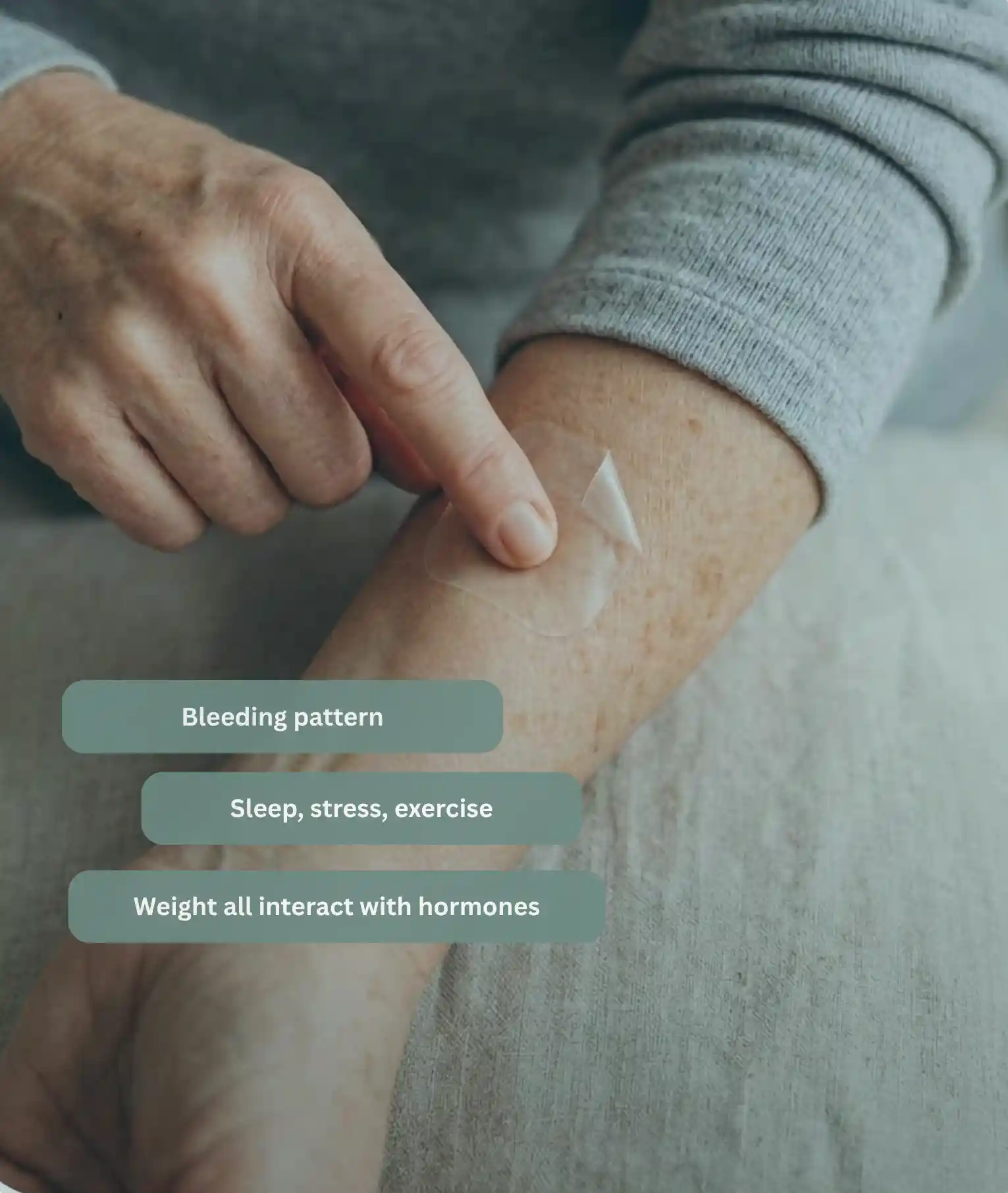
For many women, HRT is the most effective treatment. This is not one-size-fits-all. The type, dose, and route depend on symptoms, bleeding pattern, medical background, and preference.

Structured follow-up
Treatment often needs adjustment. Menopause care is usually not about one prescription — it is about reviewing, refining, and improving over time.
How to get started
Initial consultation
Your first consultation focuses on understanding your symptoms, cycle pattern, health background, and what you want help with. .
Investigations
We only arrange tests which are needed. That optimises the costs. Not every woman needs extensive investigations, and not every symptom needs a blood test. .
Treatment plan
ou will leave with a clear idea ofwhat we think is going on what your options are what the next step should be and followups .
Is this right for you?
Who this service is for
This service may be right for you if:
You are in your late 30s, 40s or early 50s and noticing changes
Your periods have become irregular, heavier, closer together, or have stopped
You are having hot flushes, poor sleep, anxiety, "brain fog", or fatigue
You feel your symptoms are being brushed aside
You want a proper plan rather than generic reassurance
You want to understand whether HRT is suitable for you
What we offer
Common symptoms we assess
This service may be right for you if:
Irregular or heavy bleeding
Hot flushes and night sweats
Mood changes and anxiety
Sleep disturbance
Brain fog and poor concentration
Change in libido and sexual changes
Weight gain and fatigue
Joint aches, headaches or general change in wellbeing
What we offer
What We Do
We don’t guess. We assess.
Important point: menopause is often a clinical diagnosis. Blood tests can sometimes help, but they do not replace proper history and judgement.
No vague reassurance. No over-treatment. Just a clear plan.

Our role is not just to prescribe something and hope for the best. We start by understanding the pattern, severity, and impact of your symptoms, then put that into the wider context of your age, cycle history, risk factors, and life requirements and goals.
Our assessment may include:
- Detailed symptom review
- Menstrual and bleeding history
- Review of previous contraception or hormone use
- Consideration of bone, heart, and long-term health factors
- Relevant investigations if needed
Frequently asked questions
Menopause is not something to simply "bear with" until you get used to it
-
It is a stage that deserves proper assessment, clear explanation, and sensible treatment.
-
If you feel your symptoms are affecting your life — or you just want proper clarity about what is happening — we can help.
Book your menopause consultation
Get a clear understanding of your symptoms, your options, and what to do next.